Why Your Blood Pressure Readings Fluctuate (And How To Get More Accurate Results At Home)

If your blood pressure readings seem to change every time you check them, the issue usually isn’t that the monitor is “wrong”—it’s inconsistency. Small things like posture, arm position, talking, stress, caffeine, or measuring too soon after moving can shift numbers more than most people realize.
Instead of checking more often, focus on checking more consistently. When you use the same setup, rest first, and take readings the right way, your numbers become far more reliable—and actually useful for spotting trends.
The many ways consistent home readings protect your long-term heart health.
Blood pressure naturally moves throughout the day, but big swings are often caused by rushed technique. If your arm isn’t supported, your cuff isn’t positioned correctly, or you’re tense and breathing shallowly, your reading can look higher than your true baseline.

Think of blood pressure like a snapshot. If the “photo” is taken while you’re rushing, tense, or positioned incorrectly, it won’t reflect what your body is doing at rest.
Below are three essentials for better blood pressure tracking: consistent setup, calm measuring conditions, and a routine that reveals trends—not random spikes.


1. Proper setup can lower “false high” readings immediately.
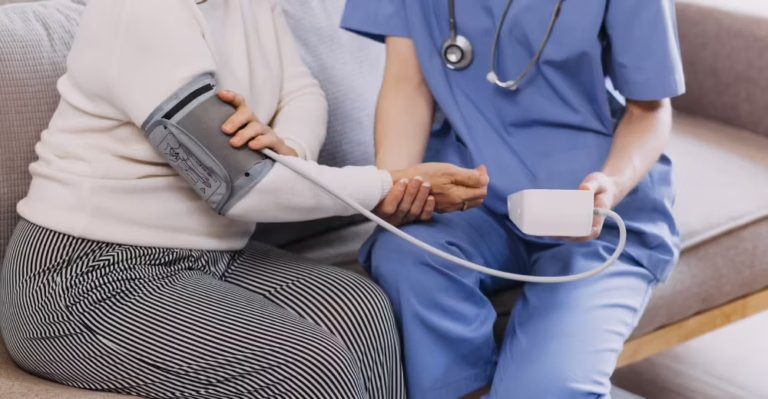
Many high readings at home come from simple setup issues: cuff over clothing, arm unsupported, feet not flat, or back not supported. Those details change blood flow and add tension. A correct setup helps your body settle so the reading reflects your true resting pressure.
When numbers look unpredictable, the first thing to fix is the setup. Once posture, cuff placement, and rest time are consistent, readings usually become noticeably steadier.
John Doe
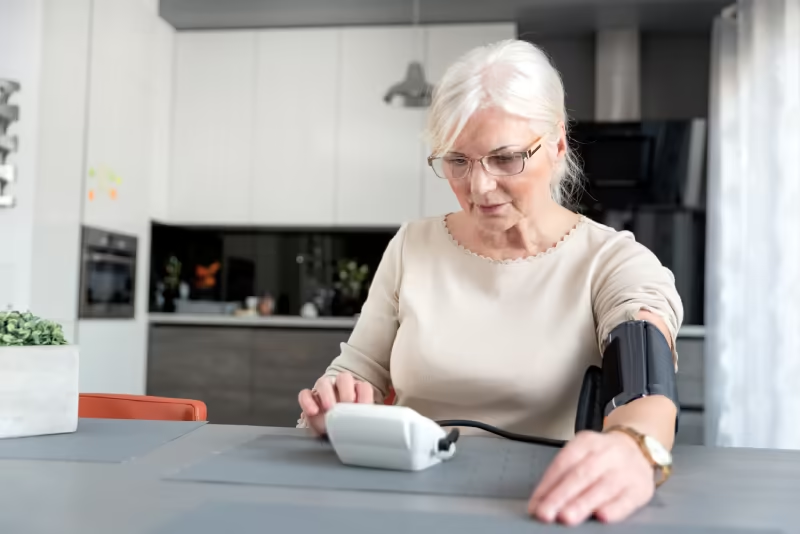
Use a chair with back support, keep feet flat, rest your arm at heart level, and sit quietly for five minutes before pressing start. If you take multiple readings, wait one minute between them and record the average.
2. Stress and timing can make readings look worse than they are.
Blood pressure rises with stress, rushing, pain, caffeine, nicotine, and even conversation. That’s why timing matters: checking right after activity or during a hectic moment can make numbers look higher than your real baseline.
1. Check at the same times each day (morning and evening is a common pattern).
2. Avoid coffee, smoking, or exercise for 30 minutes beforehand when possible.
3. Sit quietly and breathe slowly before starting the measurement.
4. Take two readings and record the average for a steadier baseline.

When you standardize timing and reduce stress during the check, your readings become less “emotional” and more informative. Over time, trend data matters more than a single high number taken on a stressful day.
Trust in the numbers – it becomes clear
Once I stopped rushing my readings and started sitting still for five minutes with my arm supported, my numbers became much steadier. It made tracking progress less stressful because I finally trusted what I was seeing.

3. A simple routine helps you spot trends instead of chasing single numbers.
Single readings are noisy. What matters is your pattern over days and weeks. A simple tracking routine (same times, same position, averaged readings) gives you a clearer signal—and helps you know when something truly changed.

Write down the time and note anything unusual (stress, poor sleep, caffeine, exercise).
Use the same arm and the same seating position each time you measure.
Review weekly averages so you stay focused on trends, not one-off spikes.