What Your Blood Pressure Numbers Really Mean (And The Simple Routine That Makes Readings More Accurate)

If your blood pressure readings feel inconsistent—high one day, “normal” the next—the problem usually isn’t that your monitor is broken. Small things like stress, caffeine, talking, or taking the reading too quickly can spike numbers and make it hard to know what’s real. The result is the same: confusion, worry, and readings you don’t fully trust.
The fix isn’t obsessing over single numbers—it’s improving the method. When you use the same simple setup, measure at the right time, and track trends, your readings become more reliable and far more useful for understanding your heart health.
The many ways consistent blood pressure tracking supports long-term cardiovascular health.
Blood pressure is dynamic. It changes with sleep, hydration, stress, movement, and even your posture. A one-off reading can be misleading, but repeated readings taken correctly can reveal patterns—like whether your pressure runs higher in the morning, after meals, or during stressful periods.

Think of your readings like a dashboard, not a grade. When you measure the same way each time and focus on averages, you get a clearer picture of what your body is doing—and what changes are actually helping.
Below are three simple “pillars” for more accurate blood pressure checks: set up your body the same way each time, take repeat readings (not just one), and track patterns so you can spot what’s changing your numbers.

1. Proper positioning can change your reading more than you think.
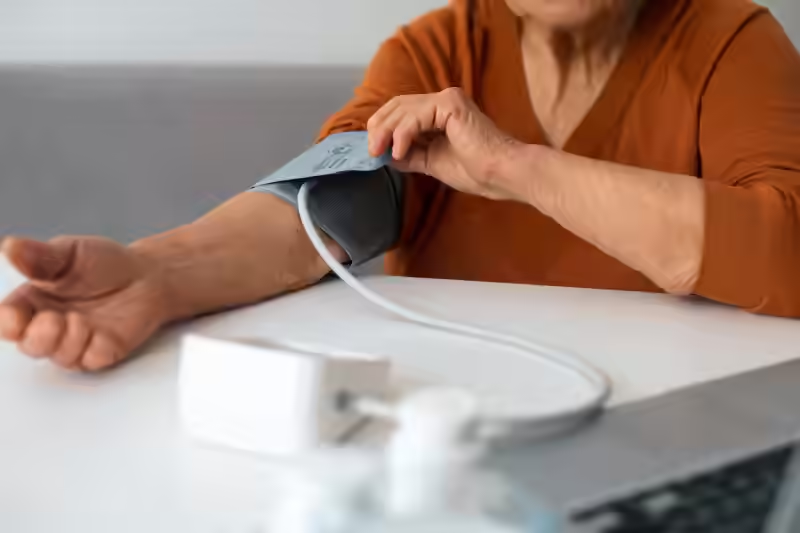
Blood pressure cuffs don’t “read” your stress—they read pressure in the artery. But posture can distort that pressure. If your feet are dangling, your back isn’t supported, or your arm is below heart level, readings often drift higher than they should. Good positioning is the easiest way to make your result more trustworthy—without changing anything else.
“When someone gets surprising numbers at home, the first thing I check is the setup—feet flat, back supported, and the cuff at heart level. Fixing that alone often makes readings more consistent.”
John Doe
Sit quietly for five minutes before you measure. Keep your feet flat, uncross your legs, and rest your arm on a table so the cuff sits level with your heart. Avoid talking during the reading—small movements and conversation can nudge numbers upward.
2. Repeat readings reveal the number that actually matters: your average.
One reading is a snapshot, not a verdict. It’s normal for the first measurement to run higher—especially if you’re anxious or you just sat down. The most useful approach is averaging: take two (sometimes three) readings, one minute apart, then use the average as your “real” number for that moment.
1. Take the first reading, then relax your shoulders and breathe normally.
2. Wait one minute and take a second reading—use the average of the two.
3. Measure at the same time daily (morning/evening) for cleaner comparisons.
4. Track notes like coffee, poor sleep, or stress—context explains “weird” days.
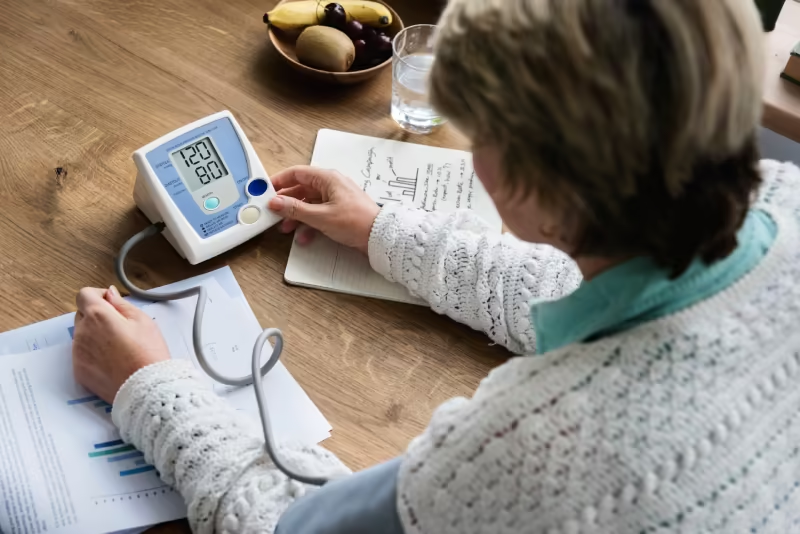
Once you start averaging, your numbers feel less dramatic and more informative. If you’re sharing readings with a clinician, a short log of averages (plus brief notes) is often far more useful than a single “high” number taken at a random time.
Do you second-guess your home readings?
I used to panic over one high number. Once I started sitting quietly and taking two readings, my averages made much more sense. I felt calmer, and I finally had data I could actually use.

3. A consistent schedule helps you spot patterns—and know when to take action.
Random checks create random data. If you only measure when you feel stressed, your numbers will look worse than they are. A better method is simple: check at the same times for a short stretch (for example, mornings and evenings for a week), then look at the trend. Patterns are what matter most—not a single reading after a bad night’s sleep.

Measure before coffee, exercise, or a stressful meeting whenever possible.
Keep your cuff size and arm consistent—switching arms can change readings for some people.
If a reading is unusually high, sit quietly and re-check rather than spiraling.
Want a simple rule? Make your method consistent: same posture, two readings, same time of day. That’s how your numbers become clear—and actually useful rather than stressful.