How To Check Your Blood Oxygen At Home (And What Your SpO2 Number Actually Means)
If you’ve ever checked your blood oxygen and got a number that made you nervous, the problem usually isn’t that you’re “suddenly unhealthy”—it’s context. Cold hands, nail polish, shallow breathing, movement, and even a rushed reading can throw off SpO2 results. The outcome is the same: confusing numbers, unnecessary worry, and data you don’t know how to interpret.
The fix isn’t constantly re-checking—it’s measuring correctly and understanding what the number means. When you warm your hands, sit still, and track trends instead of one-offs, an oximeter becomes a calm, useful tool for monitoring your vitals at home.
The many ways accurate SpO2 tracking supports respiratory health and peace of mind.
SpO2 is a snapshot of how much oxygen your red blood cells are carrying. For most people, it stays in a steady range—but it can dip temporarily if you’re breathing shallowly, you’re congested, or the reading conditions are poor. The goal of home checks isn’t perfection; it’s consistency and pattern-spotting.
Think of an oximeter like a thermometer: it’s most helpful when you use it the same way each time. When the setup is consistent, the number becomes meaningful—and far less stressful.
Below are three simple “pillars” for trustworthy SpO2 checks: get a clean signal (warm hands + still body), wait for the number to stabilize, and use trends to understand what’s normal for you.
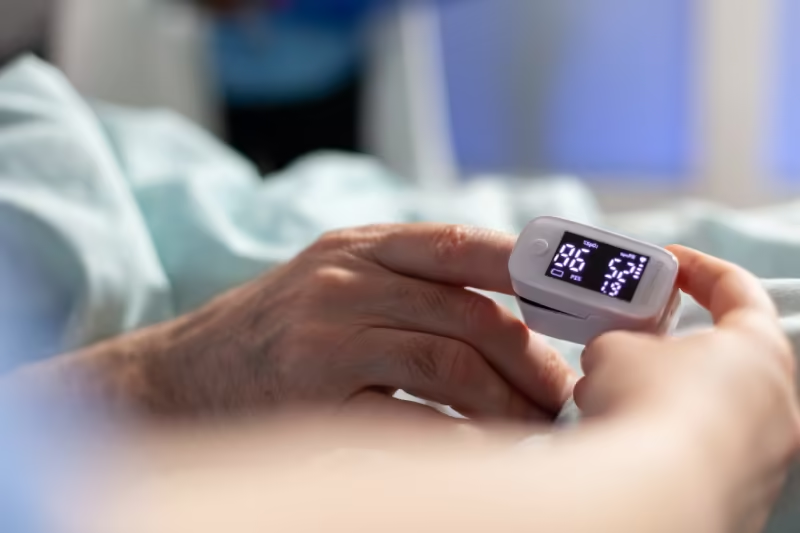
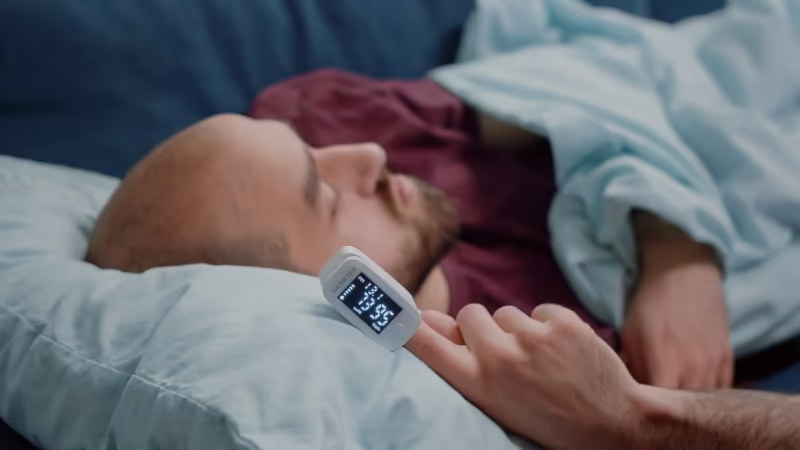
1. A clean signal matters more than the first number you see.
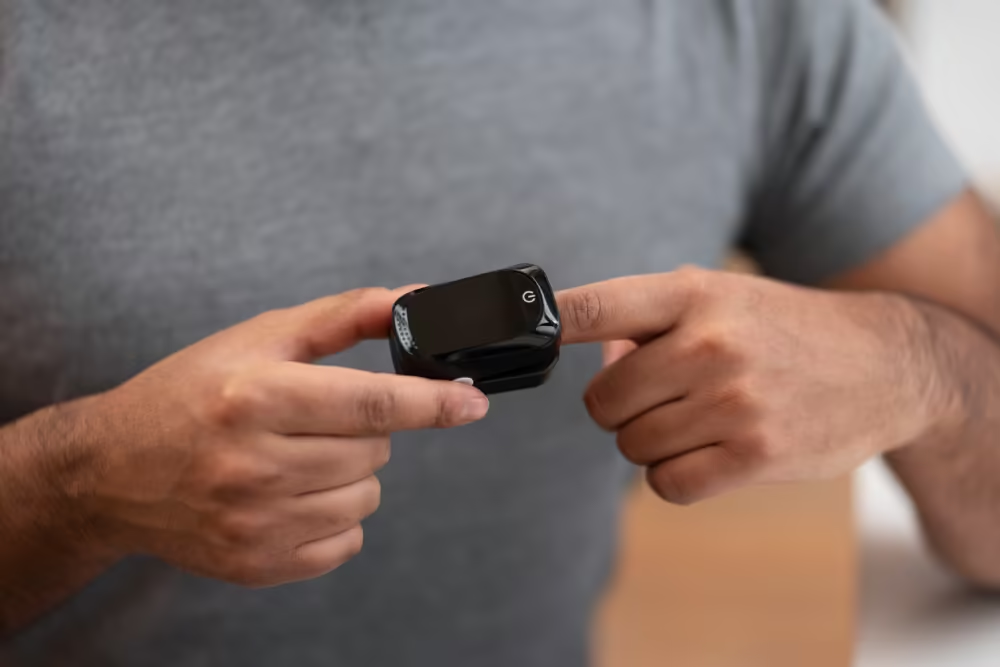
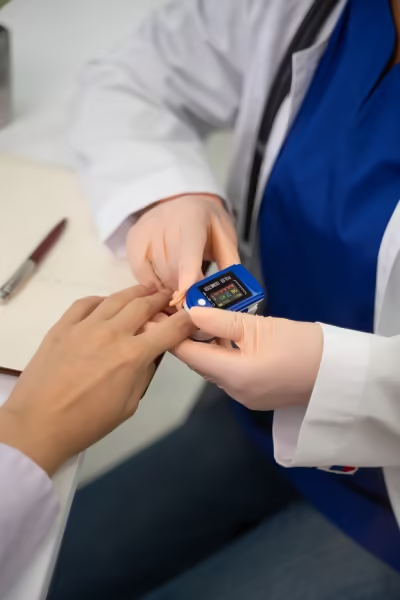
Oximeters need good circulation and minimal movement to read accurately. Cold fingers, shaky hands, and poor placement can cause the device to “hunt” and display a lower value than your true level. A clean signal means warm hands, a relaxed posture, and the sensor sitting fully on the fingertip.
“Most ‘scary’ home readings are actually signal problems—cold hands or movement. Warm the finger, sit still, and wait for the number to stabilize before you interpret it.”
John Doe
Before you measure, sit for a minute and warm your hands. Remove nail polish or acrylics if possible (they can interfere with the light sensor). Keep your hand supported on a table so you’re not squeezing or tensing.
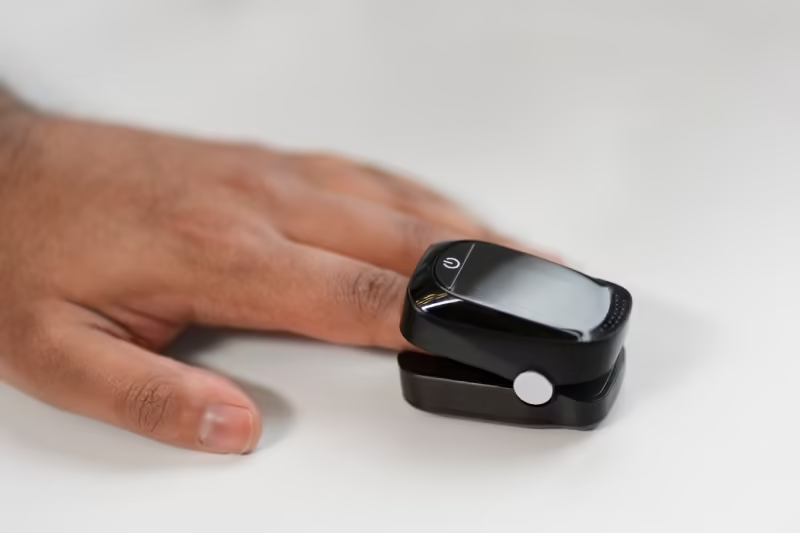
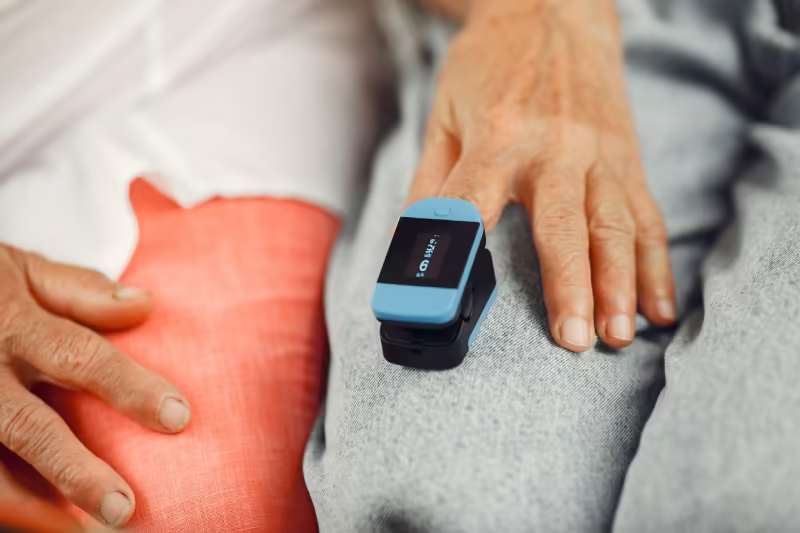

2. Stabilized readings are more trustworthy than quick checks.
SpO2 values can bounce for a few seconds while the device locks onto a signal. The solution is patience: wait until the number holds steady and your pulse reading looks consistent. If you check too quickly, you’re more likely to capture the device “settling” than your true oxygen level.
1. Place the oximeter and keep your hand relaxed and still.
2. Wait 20–40 seconds for the number to stabilize before noting it.
3. Re-check once if the reading seems unusual (after warming hands again).
4. Log your number with notes (congestion, anxiety, exertion, cold hands).

Once you wait for stability, readings feel far less random. If you’re monitoring during an illness, measuring at the same times each day can help you spot trends—like whether oxygen dips when you’re tired or congested.
Have you ever worried over a low SpO2 number?
I saw a low reading and panicked, but my hands were freezing and I’d just walked upstairs. Once I warmed my fingers and waited for the number to stabilize, it was normal. Now I track trends instead of stressing over one check.

3. Knowing when to re-check (and when to seek help) keeps monitoring calm.
Home data should reduce anxiety—not create it. If your number is lower than expected, the first step is to improve conditions and re-check: warm hands, sit still, breathe normally, and wait for stabilization. Trends and symptoms matter more than a single reading. If you feel unwell, struggle to breathe, or the number stays low despite a good signal, it’s appropriate to seek medical advice.
Re-check after 2–3 minutes in better conditions if a reading seems “off.”
Track alongside how you feel (breathlessness, chest discomfort, dizziness).
If readings stay unusually low and you feel unwell, contact a clinician or urgent services.
Want a simple rule? Make SpO2 checks consistent: warm hands, still body, stable number, then track trends. That’s how oxygen monitoring becomes useful—without becoming stressful.